
THE CENTER FOR REHABILITATION SCIENCES RESEARCH
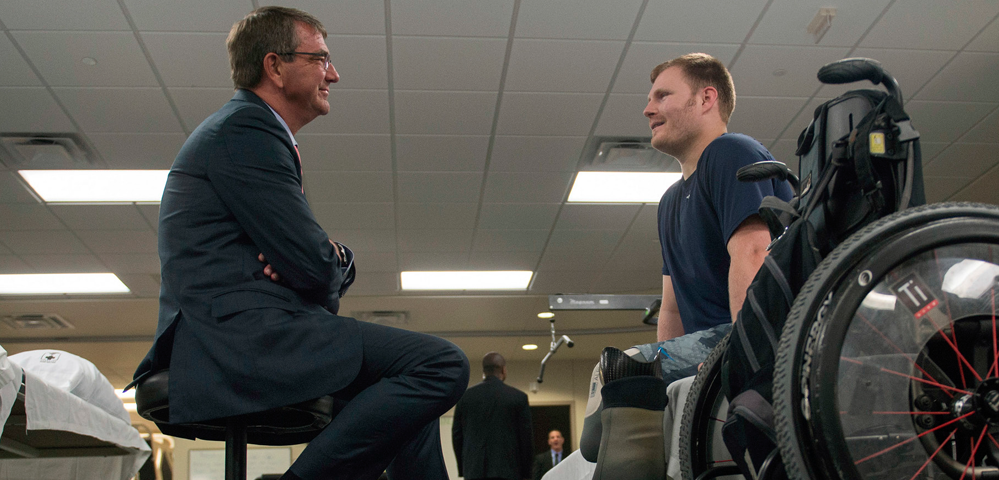
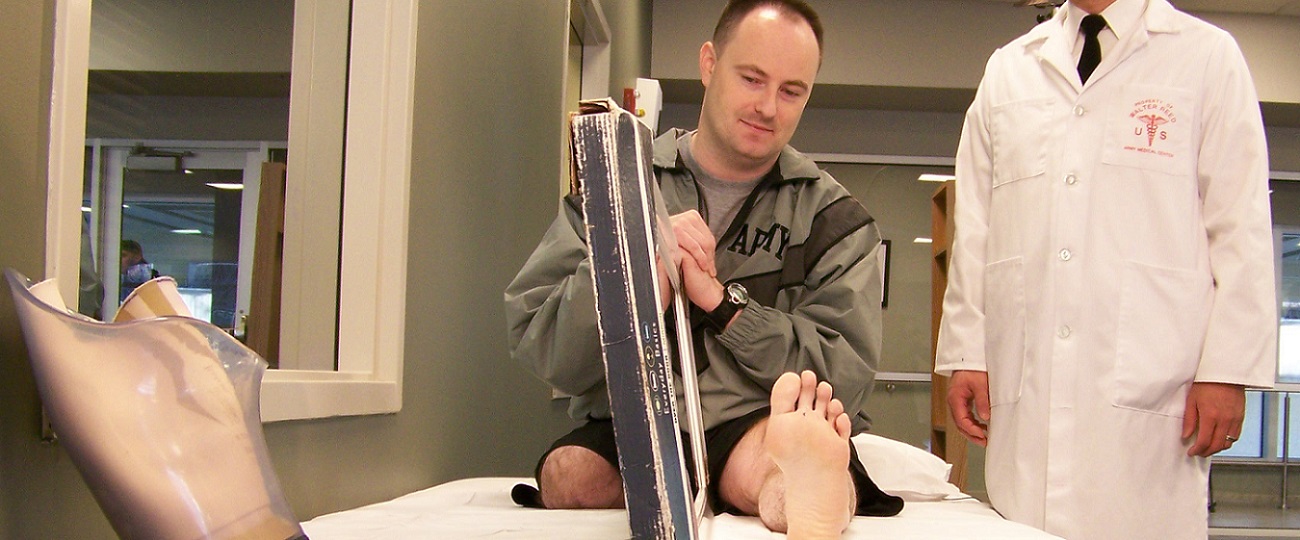
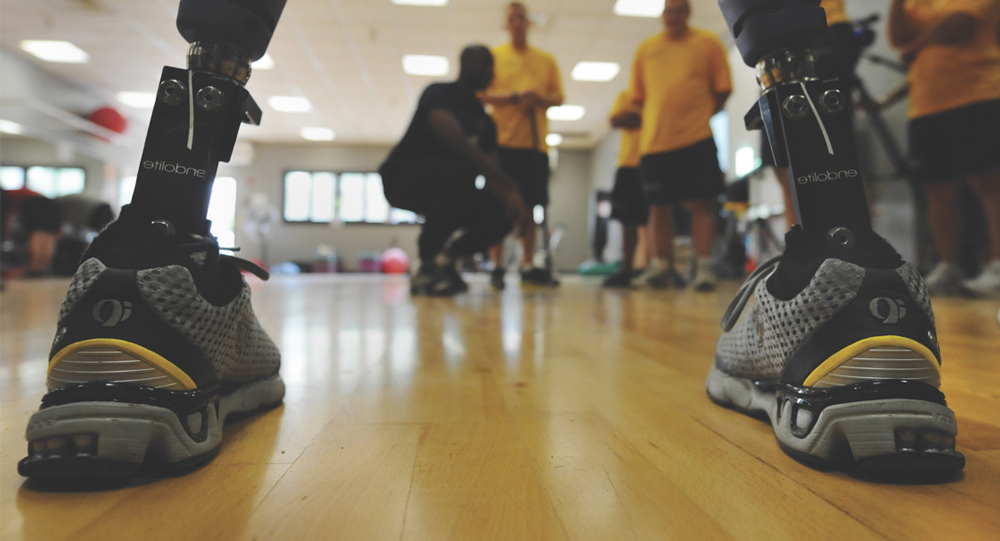
The Center for Rehabilitation Sciences Research (CRSR) was established to advance the rehabilitative care for service members with combat-related injuries, particularly those with orthopedic trauma, limb loss and neurological complications. The center’s goal is to support synergistic research projects to optimize treatment strategies in order to promote the successful return to duty and community reintegration of injured service members. The center also provides a unique platform for fostering innovative research, incorporating clinical and technical advances in the rehabilitative care for service members.
PRESS RELEASES AND NEWS
Clinical Team Members from the Center for Rehabilitation Sciences Research (CRSR) worked in collaboration with researchers at Walter Reed National Military Medical Center, Northwestern University and Johns Hopkins University to develop the Within Reach website, an educational resource providing information about vascularized composite allotransplantation (VCA), specifically as it pertains to hand/arm transplantation. This website is a knowledge product from the Ethical Factors Impacting Patients' Decisions to Pursue VCA study, supported by the CDMRP grant (RT180041); W81XWH-19-2-0033, subawarded to HJF W81XWH-19-2-0036. Through research we were able to develop a neutral website promoting information about hand/arm transplantation. This website contains comprehensive information about hand/arm transplantation including what it is, who may be eligible for it, the potential benefits and risks of this procedure, and so much more! See more at Within Reach
CRSR is headquartered at the Uniformed Services University of the Health Sciences (USU) in Bethesda, Maryland. The mission of USU is to support the readiness of America's Warfighter and the health and well-being of the beneficiary community by educating and developing uniformed health professionals, scientists and leaders; by conducting cutting-edge, military-relevant research; by leading the MHS in key functional and intellectual areas; and by providing operational support to units around the world.
General Inquiries
Stacey Harcum
Senior Operations Manager
The Henry M. Jackson Foundation for the Advancement of Military Medicine (HJF) employee
collaborating with The Center for Rehabilitation Sciences Research (CRSR)
Assisstant Professor, Department of Physical Medicine and Rehabilitation
Uniformed Services University of the Health Sciences
stacey.harcum.ctr@usuhs.edu
(301) 550-0495
Media Inquiries
Sharon K. Holland
Deputy Vice President for External Affairs
Uniformed Services University of the Health Sciences
sharon.holland@usuhs.edu
301-295-3578